Industrial Epoxy Flooring in the Philippines: Components, Comparisons, and Application Systems
When designing and specifying materials for commercial, institutional, or industrial spaces in the Philippines, industrial epoxy flooring is one of the best choices for durability.
From business corridors enduring relentless foot traffic to medical facilities requiring absolute sterility, the choice of flooring dictates not only the aesthetic of a space but its long-term operational viability. In many urban spaces in the Philippines, among the highest-performing options available today is industrial epoxy flooring.
This guide explores the chemistry, advantages, drawbacks, and application processes of epoxy systems, while contextualizing its performance against other premier finishes like polished concrete and polyurethane (PU) mortar.
Visit our Facebook Page for Industrial Flooring:
The Chemistry: Components of an Epoxy Flooring System
At its core, epoxy flooring is not simply a paint that dries; it is a thermosetting polymer that cures through a precise chemical reaction. A standard epoxy system consists of two primary components:
Part A: The Epoxy Resin: Typically derived from bisphenol-A (BPA) or bisphenol-F (BPF), the resin provides the system’s adhesive qualities, chemical resistance, and base durability.
Part B: The Polyamine Hardener (Curative): This acts as the catalyst. When mixed with the resin, it triggers an exothermic (heat-producing) reaction. This process cross-links the polymer structures, transforming the liquid into a rigid, highly durable plastic-like surface.
Beyond the base resin and hardener, professional-grade epoxy systems often incorporate targeted additives. Aggregates like quartz sand can be broadcast into the wet epoxy for extreme durability and slip resistance.
In the Philippines, available epoxy pigments provide solid colors, while vinyl flakes or metallic powders are used to create complex, decorative finishes. Finally, UV inhibitors may be added, though epoxy generally requires a specialized topcoat for true UV protection.
Pros and Cons of Epoxy Flooring
In a tropical country like the Philippines, understanding the strengths and limitations of epoxy is critical for specifying it in the right environment.
THE PROS OF INDUSTRIAL EPOXY FLOORING
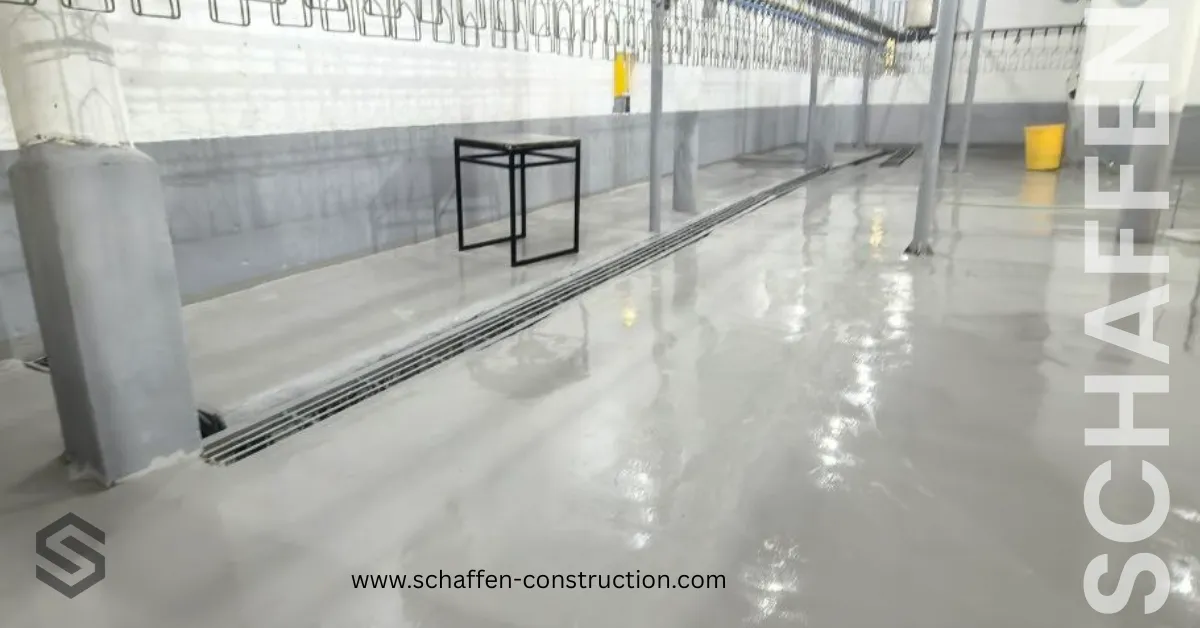
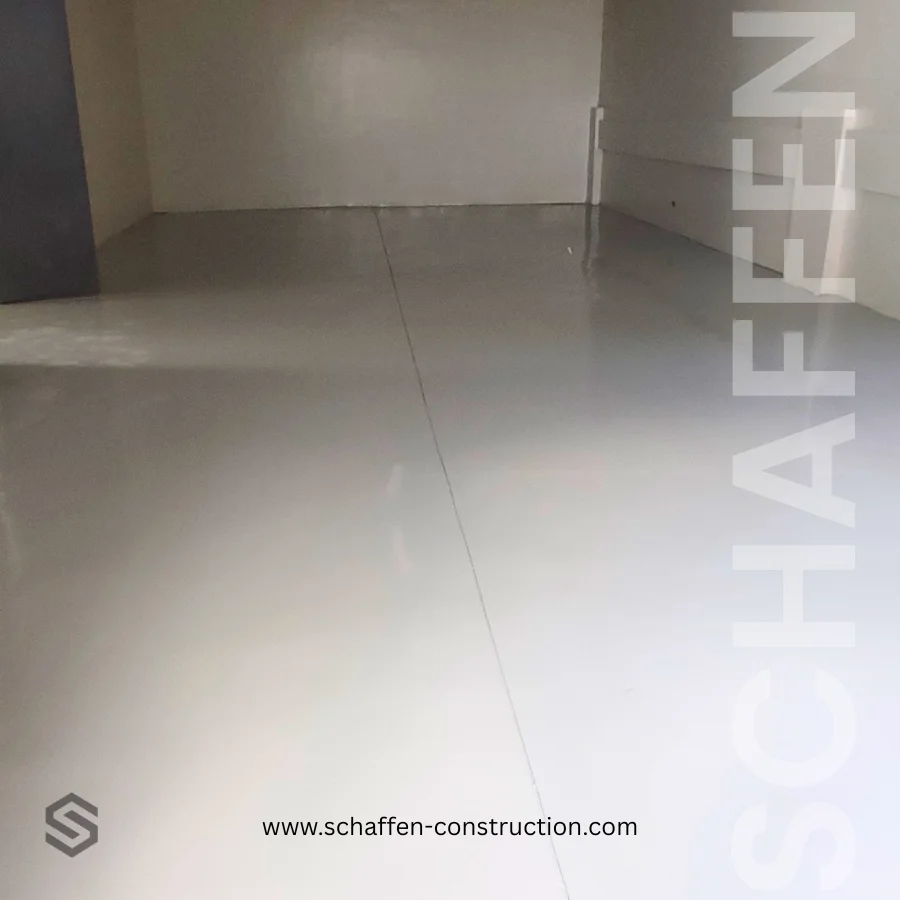
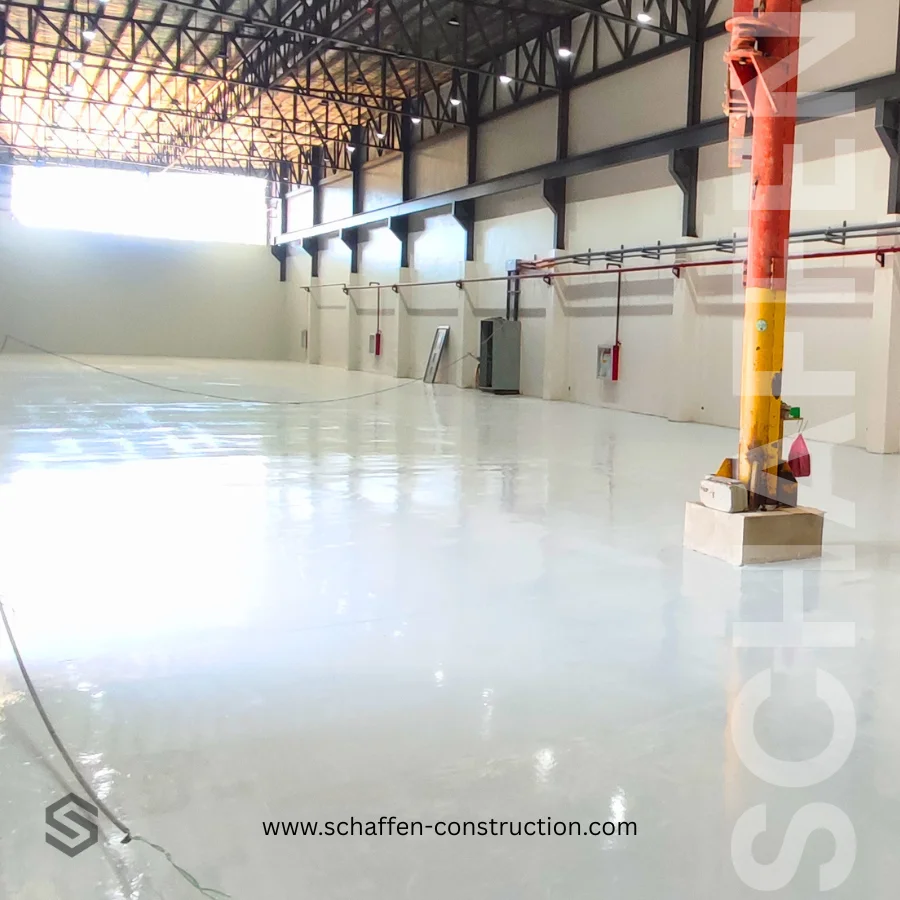
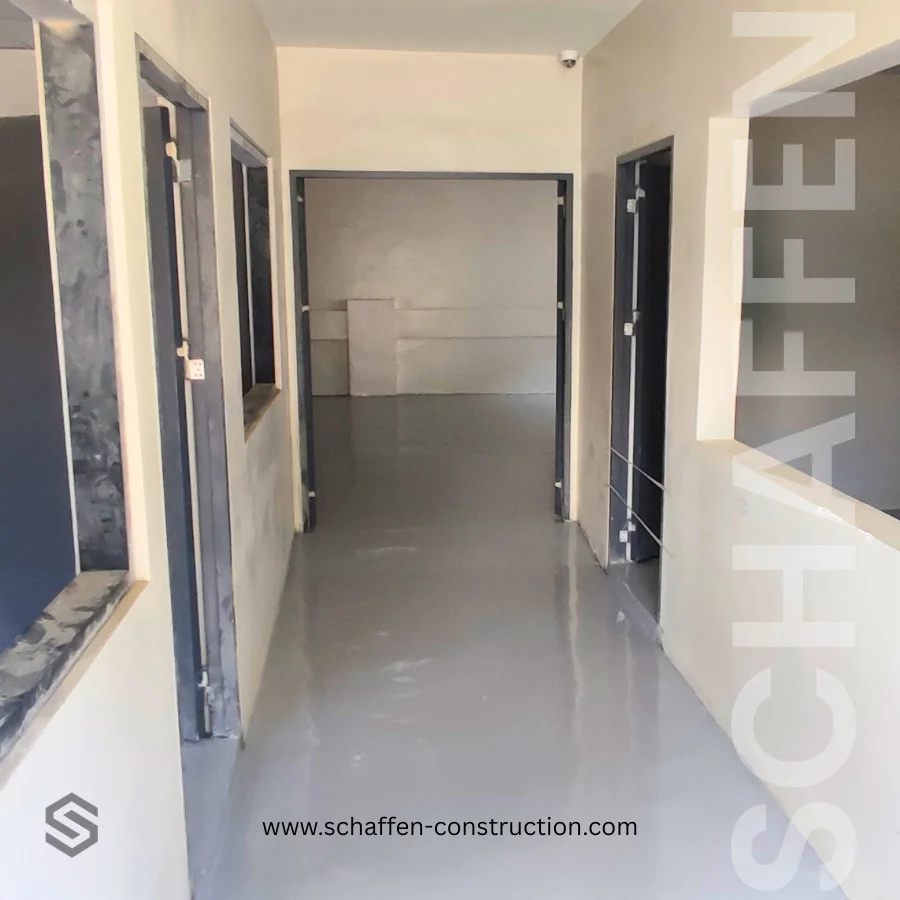
Unmatched Hygiene and Sterility: Because epoxy is poured and rolled out, it creates a completely seamless, non-porous surface. With no grout lines or joints for bacteria to harbor, it is a premier choice for healthcare settings, laboratories, and cleanrooms in the Philippines.
Industrial epoxy can even be coved up the walls to create a monolithic, easily washable basin.
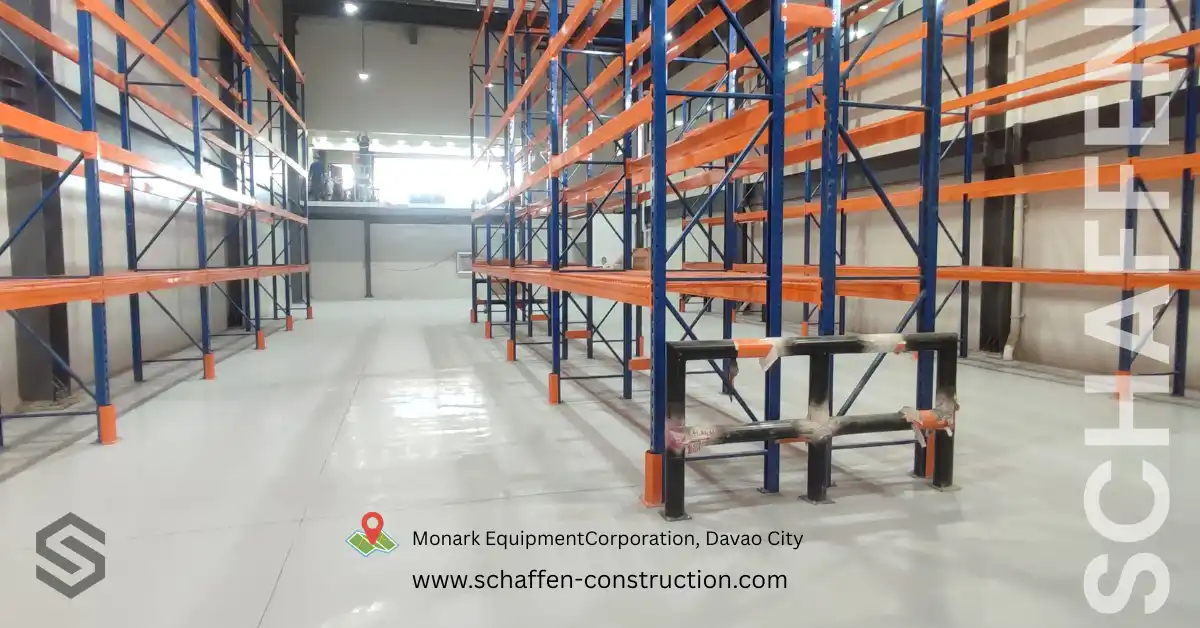
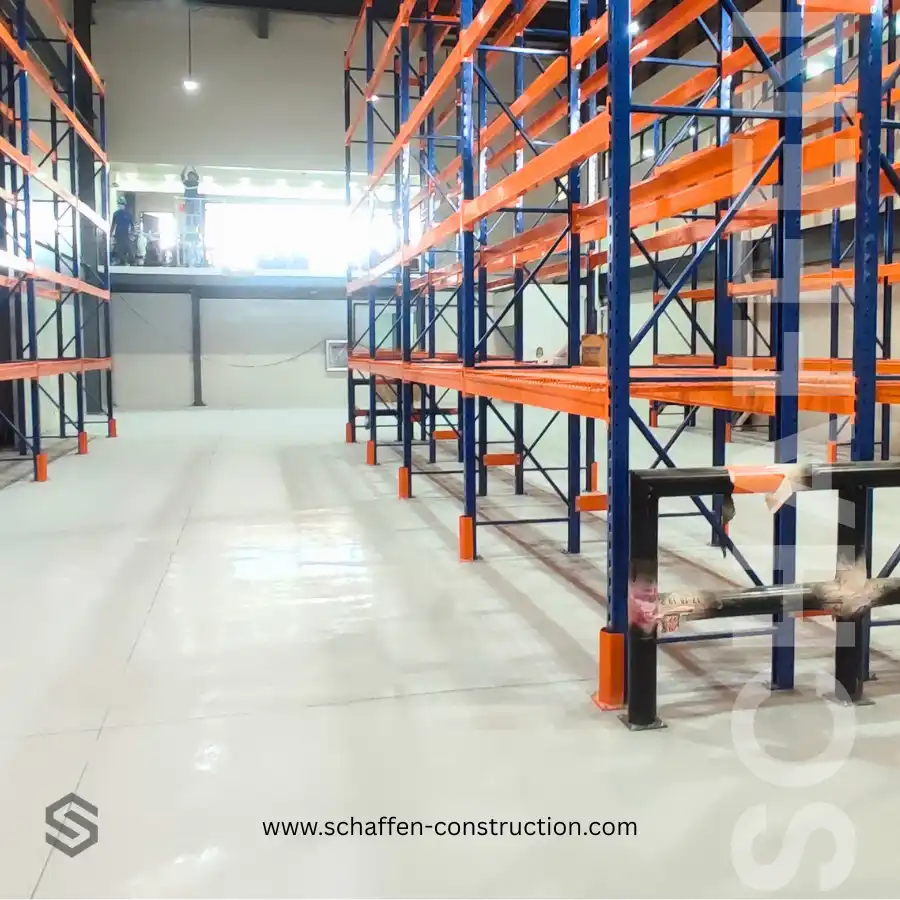
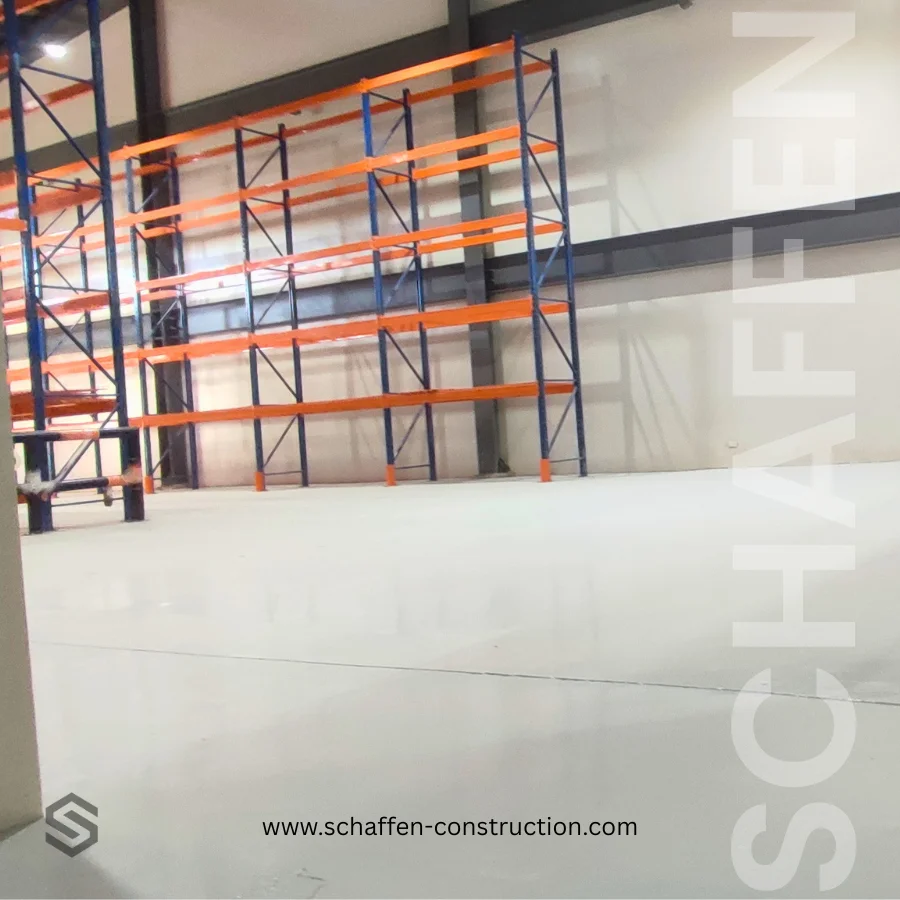
High Compressive Strength: Epoxy can withstand heavy point loads, making it ideal for warehouses with forklift traffic or areas with heavy equipment.
Chemical Resistance: High-quality epoxies are highly resistant to aggressive chemicals, solvents, and acidic compounds that would rapidly degrade standard tile or untreated concrete.
Aesthetic Versatility: From solid safety colors with line striping to high-gloss metallic swirls, epoxy can be customized to fit both industrial requirements and high-end commercial designs.
THE CONS OF INDUSTRIAL EPOXY FLOORING
Rigidity and Substrate Movement: Epoxy is incredibly hard, but it is not flexible. If the concrete substrate beneath it cracks or shifts, the epoxy will likely crack and delaminate with it.
Moisture Sensitivity During Application: Epoxy is highly sensitive to Moisture Vapor Transmission (MVT) from the concrete slab. In tropical or humid climates, moisture migrating up through the slab can cause the epoxy to blister and peel if a vapor barrier is not properly installed.
UV Instability: Traditional epoxies are prone to ambering or yellowing when exposed to direct sunlight over time.
Slippery When Wet: A high-gloss, glass-like epoxy floor is notoriously slick if water or oil is present, necessitating the addition of anti-slip aggregates.
Comparative Analysis: Epoxy vs. PU Mortar Flooring and Polished Concrete
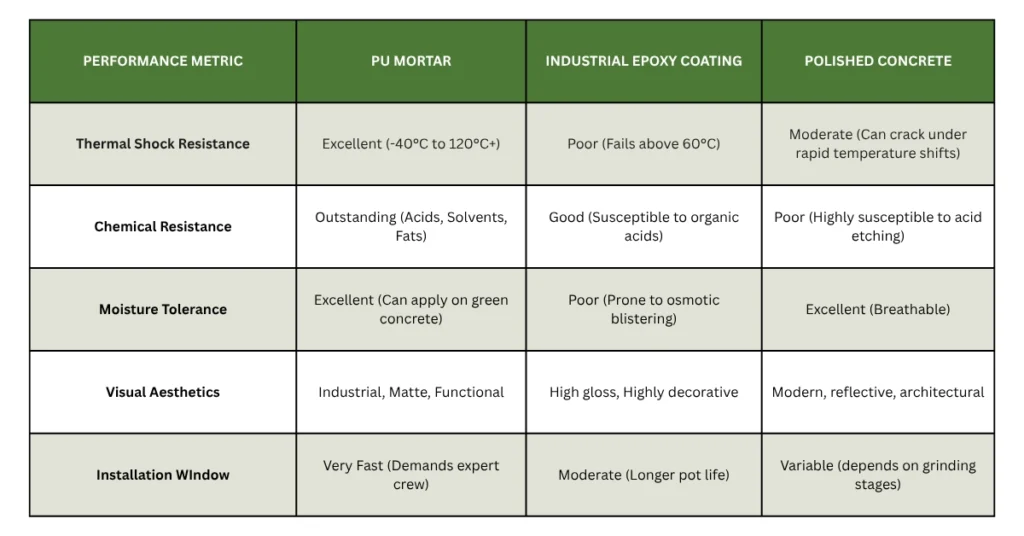
To evaluate the benefit of industrial epoxy flooring for properties in the Philippines, it must be measured against its primary alternatives in the commercial and industrial sectors.
Epoxy vs. Polished Concrete
Polished concrete is often the finish of choice for expansive architectural spaces, retail environments, and modern educational facilities. The comparison between the two is a matter of topical coating versus substrate refinement.
Epoxy is a topical coating that sits on top of the slab, providing an impermeable barrier. This makes it superior in environments where chemical spills are frequent or strict infection control is required.
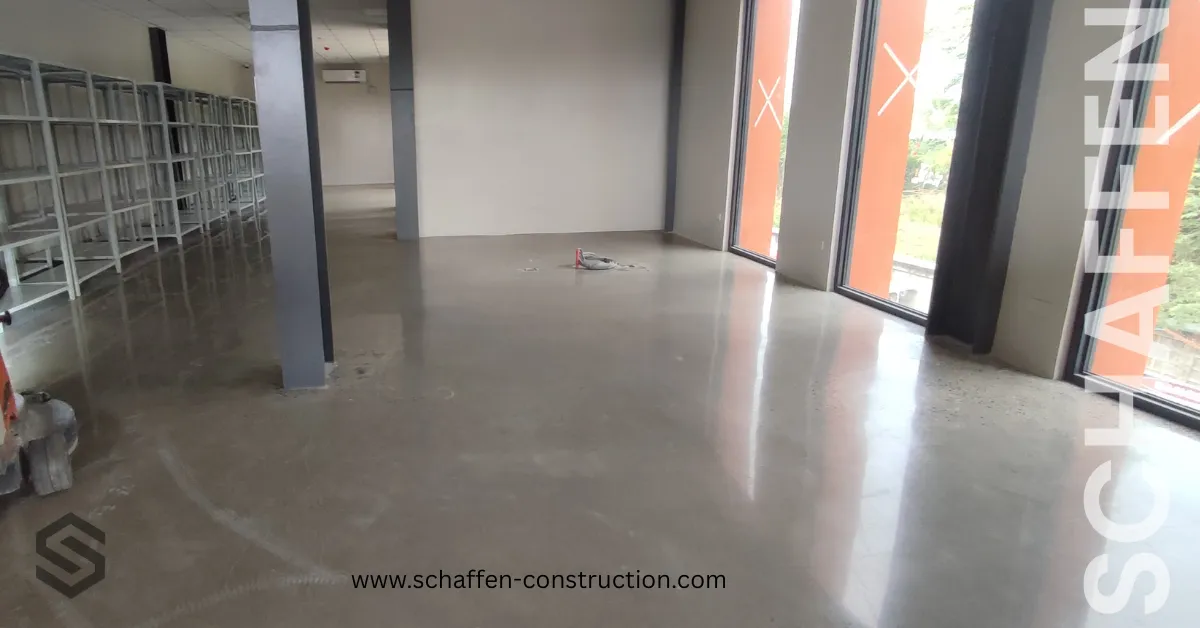
Polished concrete, conversely, involves mechanically grinding the concrete itself and densifying the surface. It is a breathable system. For projects in humid, tropical environments where moisture vapor transmission from the ground is a persistent challenge, polished concrete often outperforms epoxy because it allows the moisture to pass through without causing delamination.
Polished concrete also boasts a significantly lower lifetime maintenance cost and will never peel, chip, or require full replacement, making it an exceptional long-term investment for high-traffic public spaces or sports complexes. However, because it is inherently porous (even when sealed), polished concrete cannot match epoxy’s resistance to harsh chemical degradation.
You can check this article to learn more about polished concrete in the Philippines.
Epoxy vs. Polyurethane (PU) Mortar
While both are resinous floorings, they serve different industrial extremes. Epoxy is harder, offers higher compressive strength, and bonds tenaciously to concrete.
PU mortar, however, is a softer, highly elastic, and vastly more thermally stable system. If a facility undergoes severe thermal shock—such as food and beverage processing plants where floors are routinely subjected to boiling water washdowns or blast freezers—epoxy will crack due to rapid expansion and contraction.
PU mortar expands and contracts at a rate similar to the underlying concrete, allowing it to survive extreme temperature fluctuations. Furthermore, PU handles constant wet conditions and organic acids (like lactic acid in dairies) better than standard epoxies.
Check this 2026 guide on PU Mortar Flooring in the Philippines.
The Application System: A Precision Process
The phrase “the floor is only as good as its preparation” is the golden rule of epoxy application. Up to 80% of an epoxy system’s success relies on the work done before a single drop of resin is poured.
Moisture Testing and Assessment: Before starting, the concrete slab must be tested for moisture vapor emission rates (MVER) and relative humidity.
Surface Preparation (Mechanical Profiling): The concrete must be mechanically prepared, typically via planetary diamond grinding or shot blasting. This removes the smooth “cream” of the concrete, opening the pores to achieve a specific Concrete Surface Profile (usually CSP 2 or 3). Acid etching is generally considered insufficient for professional, long-lasting applications.
Patching and Repair: All cracks, spalls, and divots in the substrate must be chased, cleaned, and filled with an epoxy patch or polyurea joint filler.
The Primer Coat (Vapor Barrier): A penetrating, low-viscosity epoxy primer is applied. In environments with high ground moisture, a specialized moisture-mitigating epoxy primer is non-negotiable to prevent future hydrostatic pressure failures.
The Base/Body Coat: The 100% solids epoxy base coat is applied, often using a squeegee to spread the material and a back-roller to ensure even thickness and eliminate trapped air. This is the stage where colored flakes or quartz sand are broadcast to rejection into the wet resin if a decorative or anti-slip system is specified.
The Topcoat: Once the body coat has cured (and excess flakes/sand are scraped and vacuumed), a topcoat is applied. While this can be a clear epoxy, professionals frequently specify an aliphatic polyurethane or polyaspartic topcoat. These materials offer superior scratch resistance and, crucially, provide the UV stability that epoxy lacks.
Conclusion: Industrial Epoxy Flooring in the Philippines
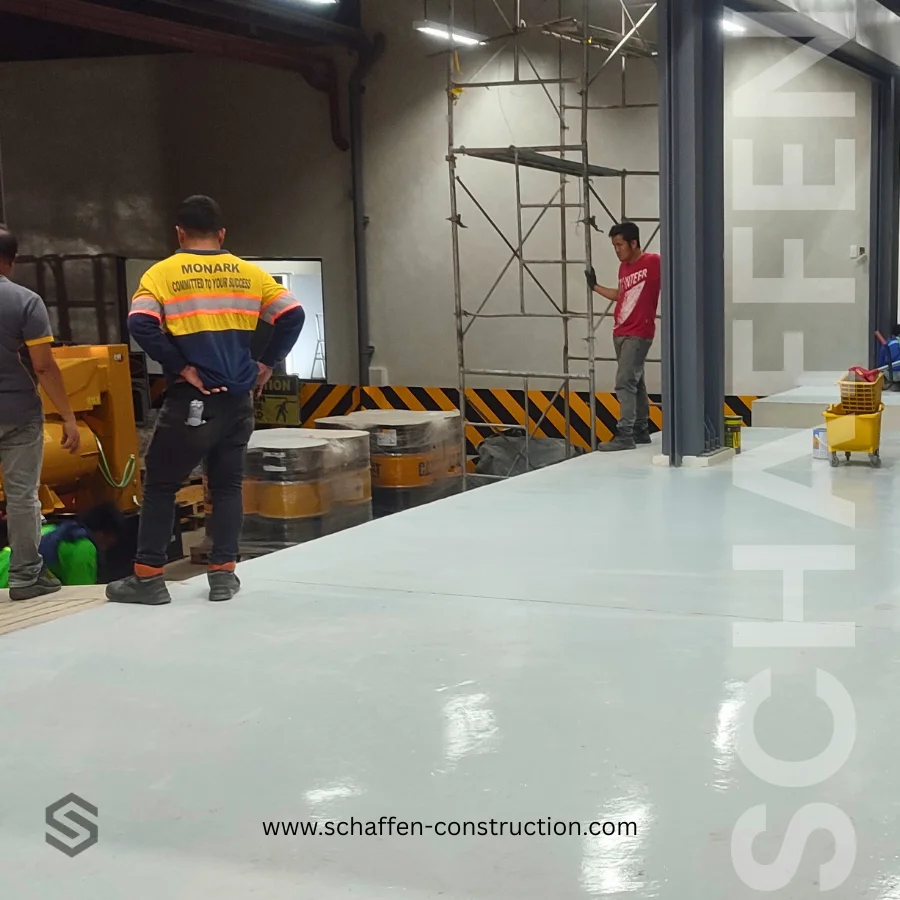
Epoxy flooring remains a powerhouse in the architectural and industrial design world, bridging the gap between heavy-duty performance and sleek aesthetic appeal.
It is not a universal solution. For environments demanding supreme chemical resistance and seamless hygiene—like surgical suites or pharmaceutical labs—epoxy is often the best choice.
Yet, for large-scale institutional projects prioritizing longevity, breathability, and low maintenance in challenging climates, heavily refined systems like polished concrete remain formidable alternatives.
Choosing the right system requires a precise understanding of the facility’s daily operations, the local climate, and the chemical realities of the space.
Do you need Industrial Epoxy Flooring?
Schaffen Construction Corp., has extensive experience with installing Industrial Epoxy Flooring in the Philippines. Let's discuss your project.
CALL NOW