Heavy-Duty Foundations for Demanding Commercial and Industrial Environments
As of 2026, Polyurethane Mortar Flooring in the Philippines is one of the best flooring choices in the world of industrial and commercial architecture.
Your flooring is crucial your operations especially that they are the ones enduring the silent, crushing weight of heavy machinery, the steady abuse of vehicular traffic, extreme temperature shifts, and aggressive chemical spills.
Traditional concrete, while structurally sound, is porous and fragile under sustained chemical and physical onslaught.
But when environments bring standard coatings beyond their operational limits, just like in in this medical laboratory in Toril, Davao City, facility architects and engineers turn to the ultimate heavyweight of polymer flooring: Polyurethane Mortar Flooring (often referred to as polyurethane cement).
As a well-tested industrial flooring solution in the Philippines, Polyurethane Mortar Flooring is a high-performance, heavy duty, hybrid flooring system engineered specifically to survive where other materials fail. It blends the structural durability of cement with the chemical resilience and elasticity of polyurethane resins.
The result is a seamless, impervious barrier designed to protect infrastructure, ensure hygienic compliance, and deliver long-term reliable service under the most grueling operational conditions imaginable.
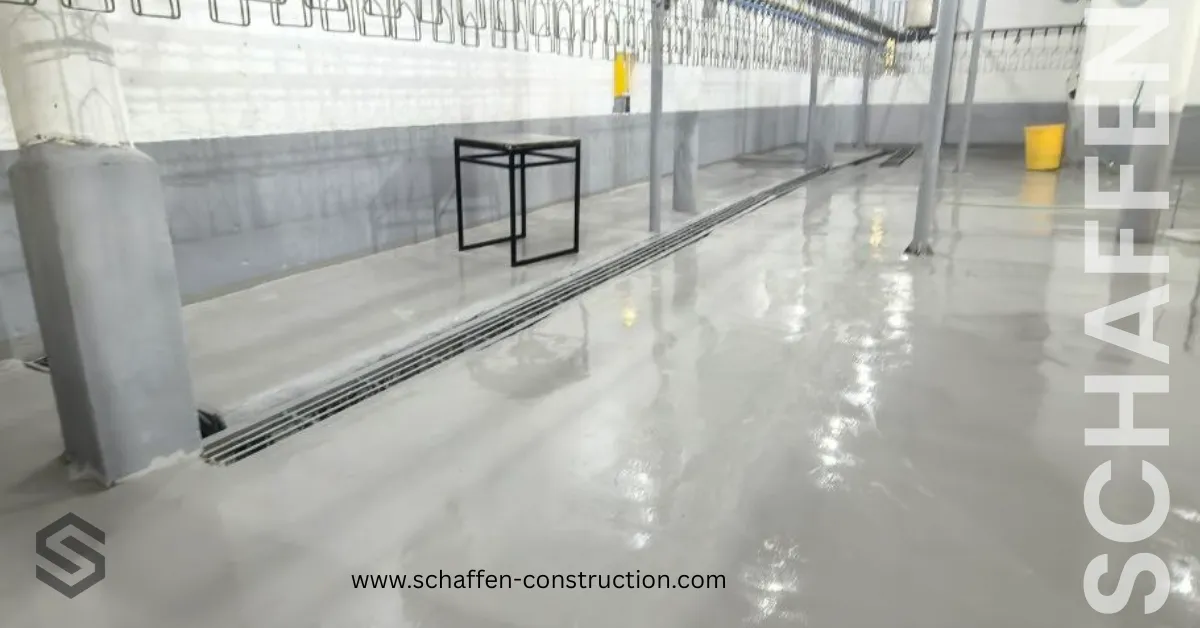
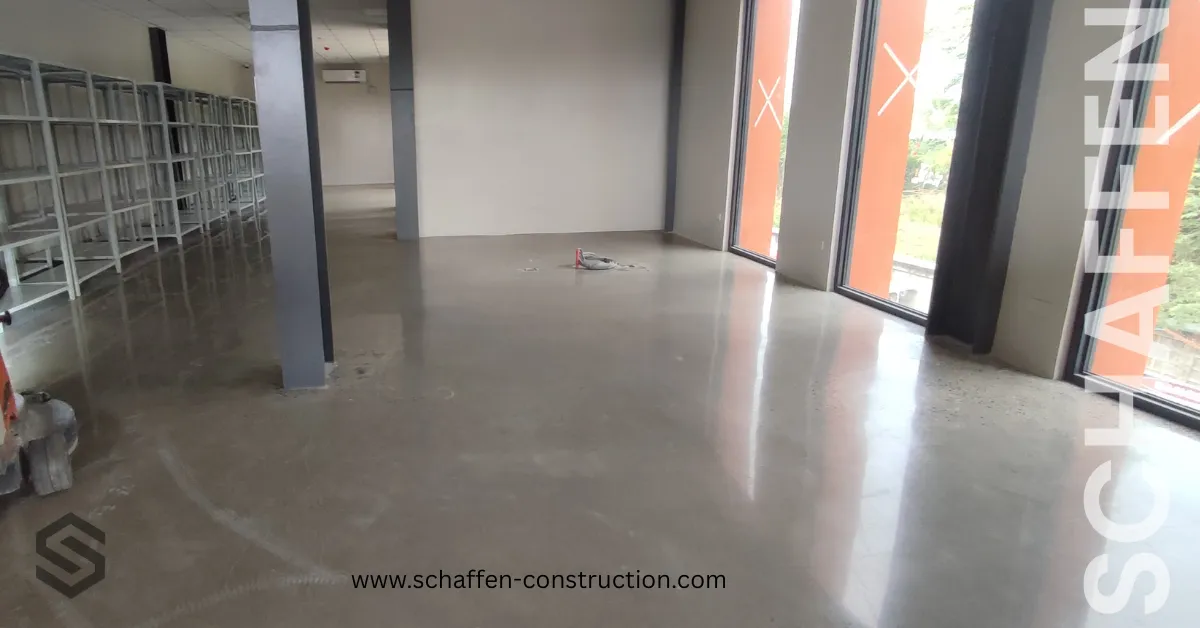
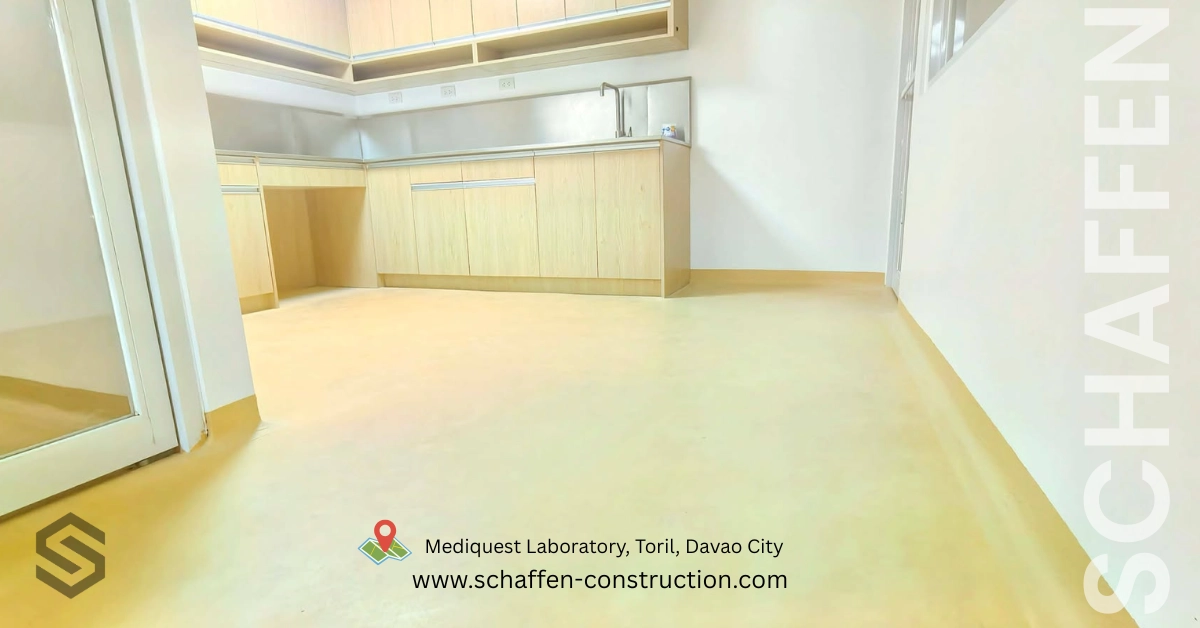
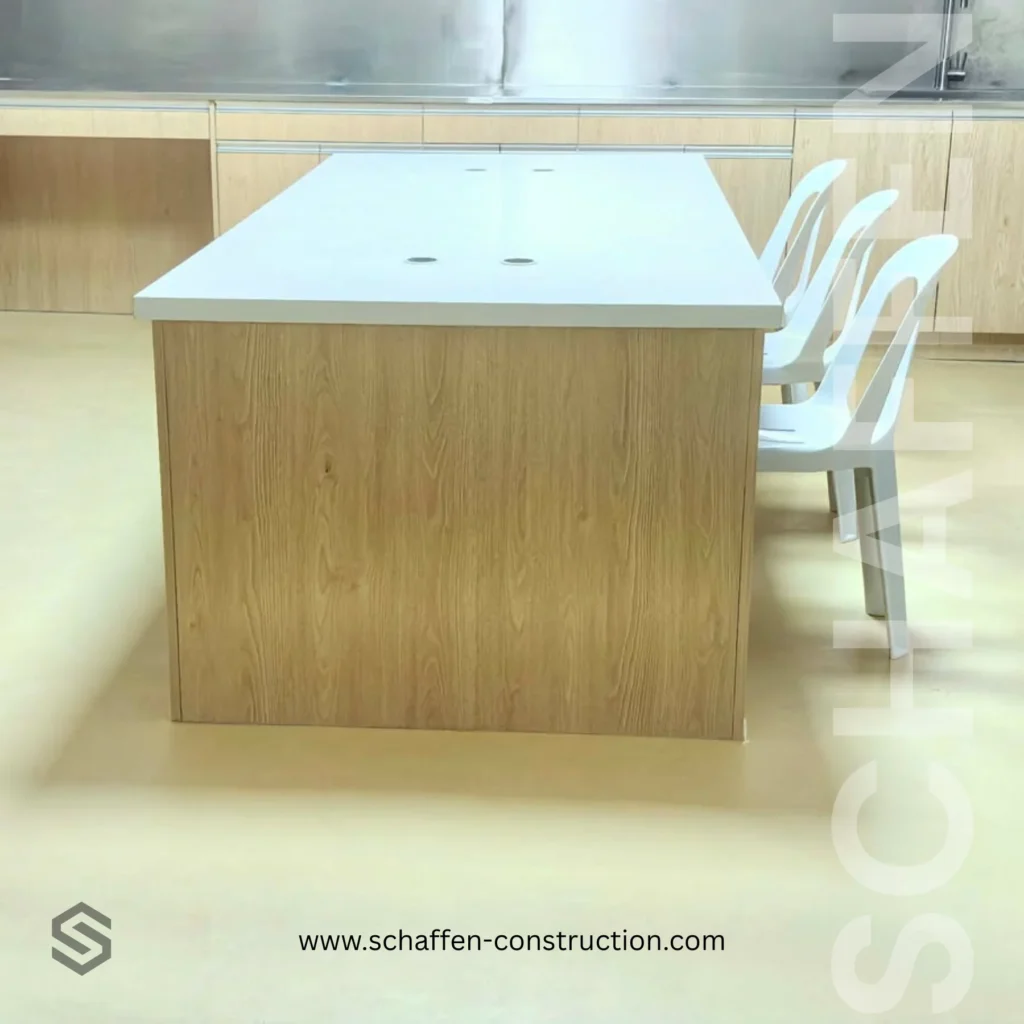
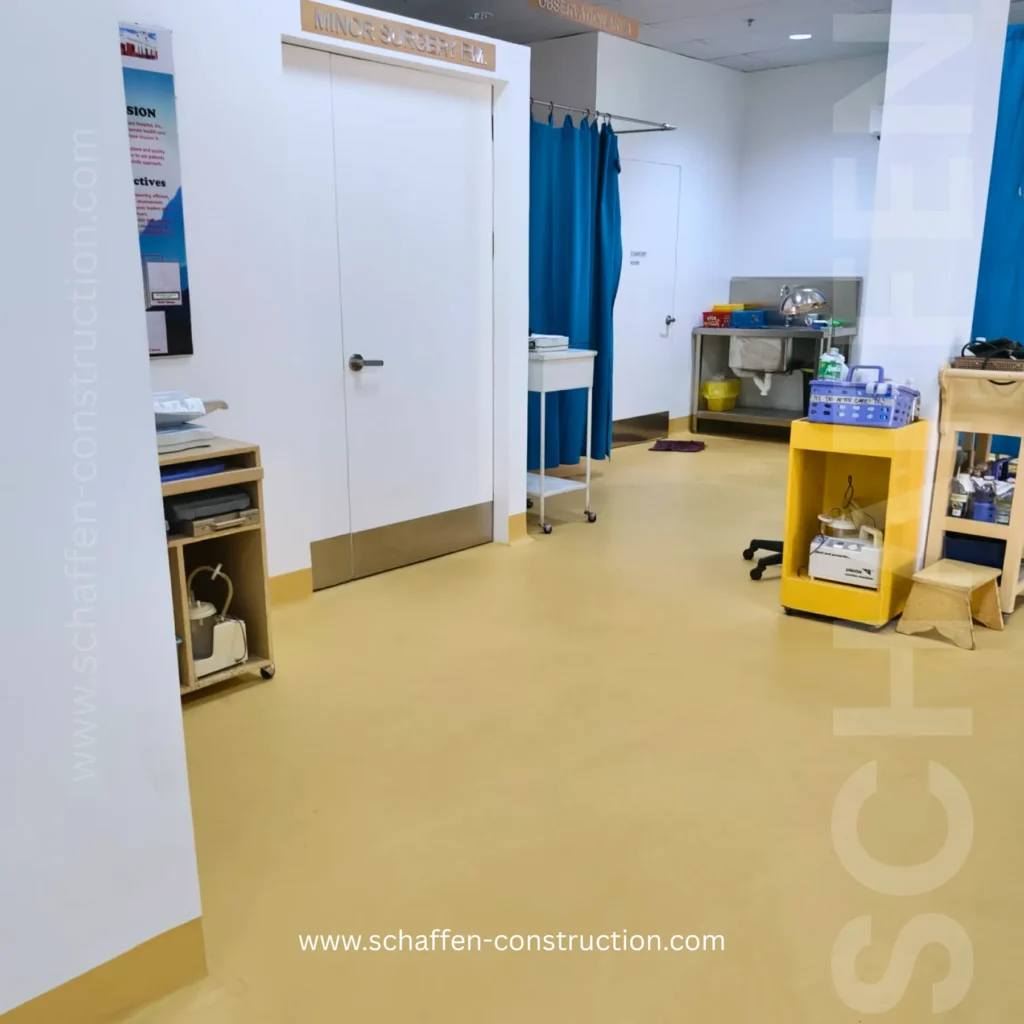
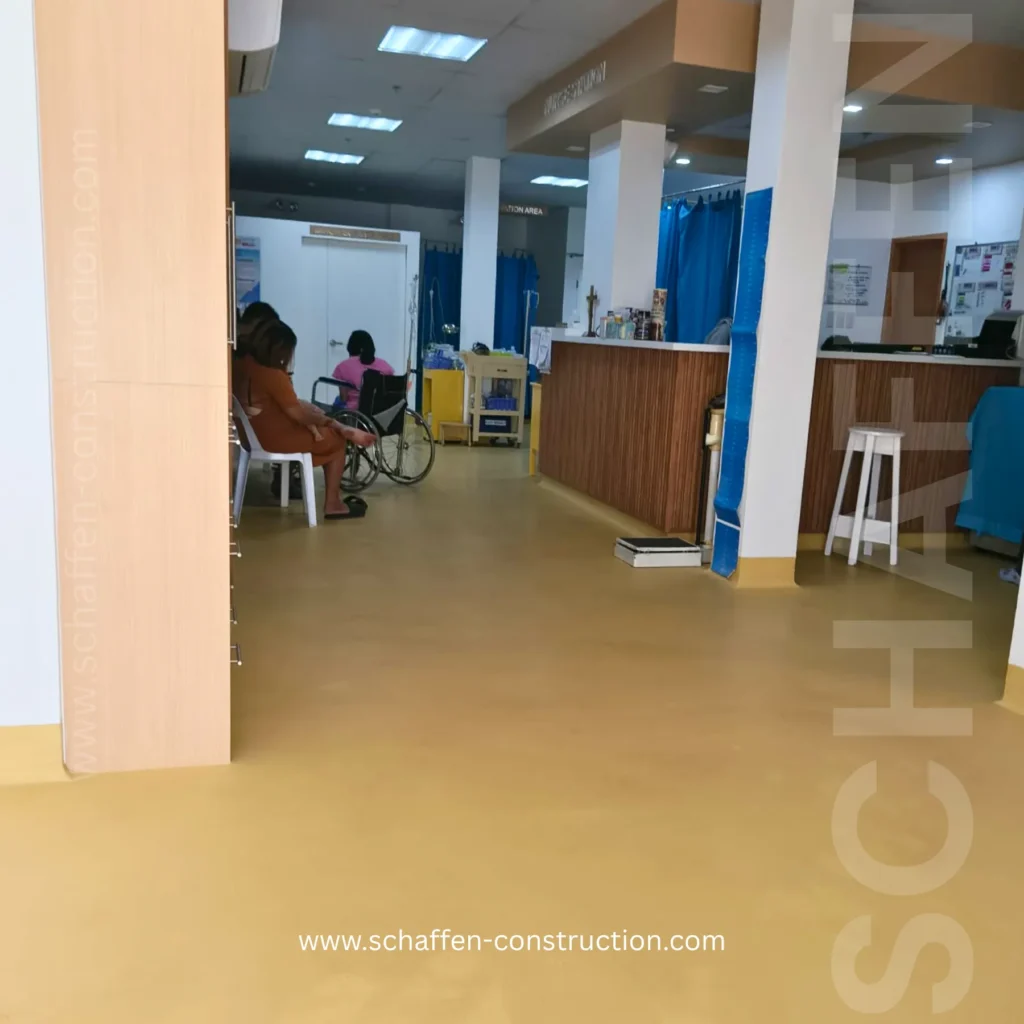
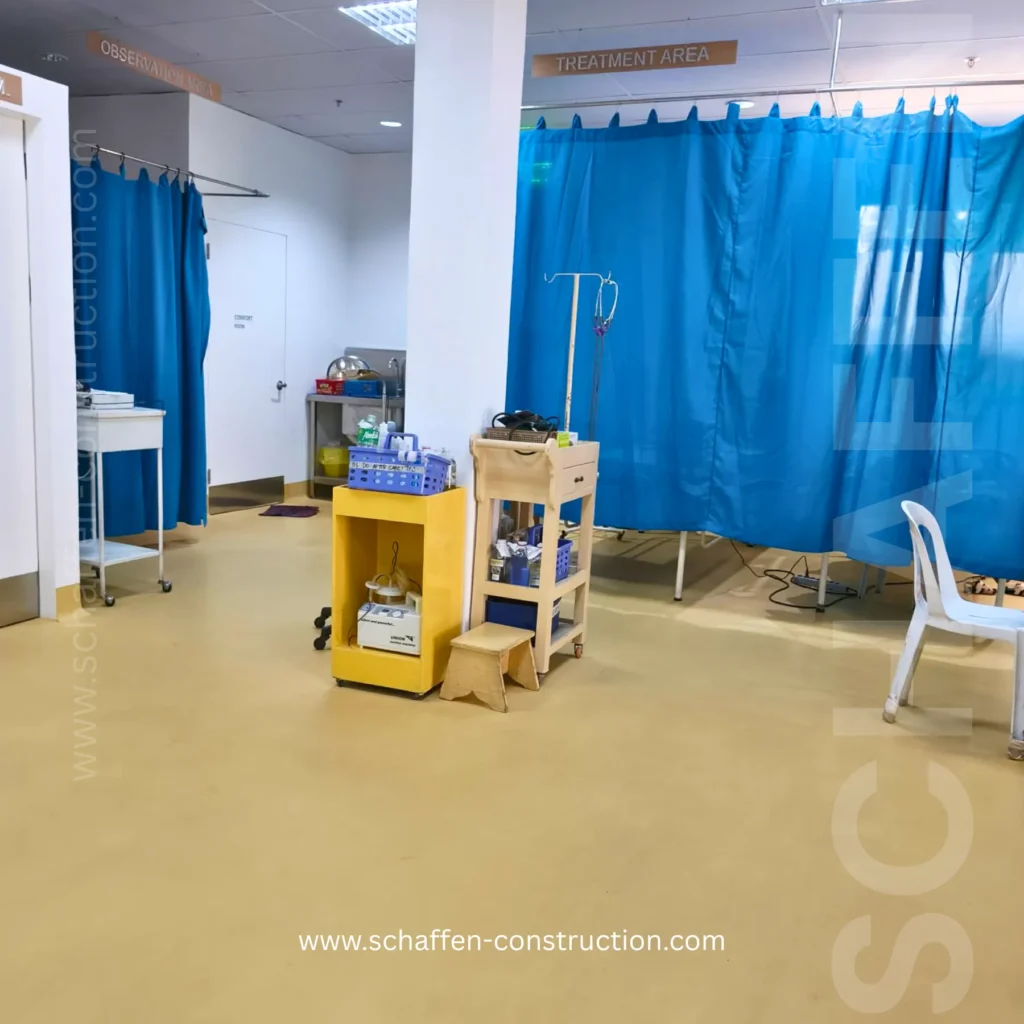
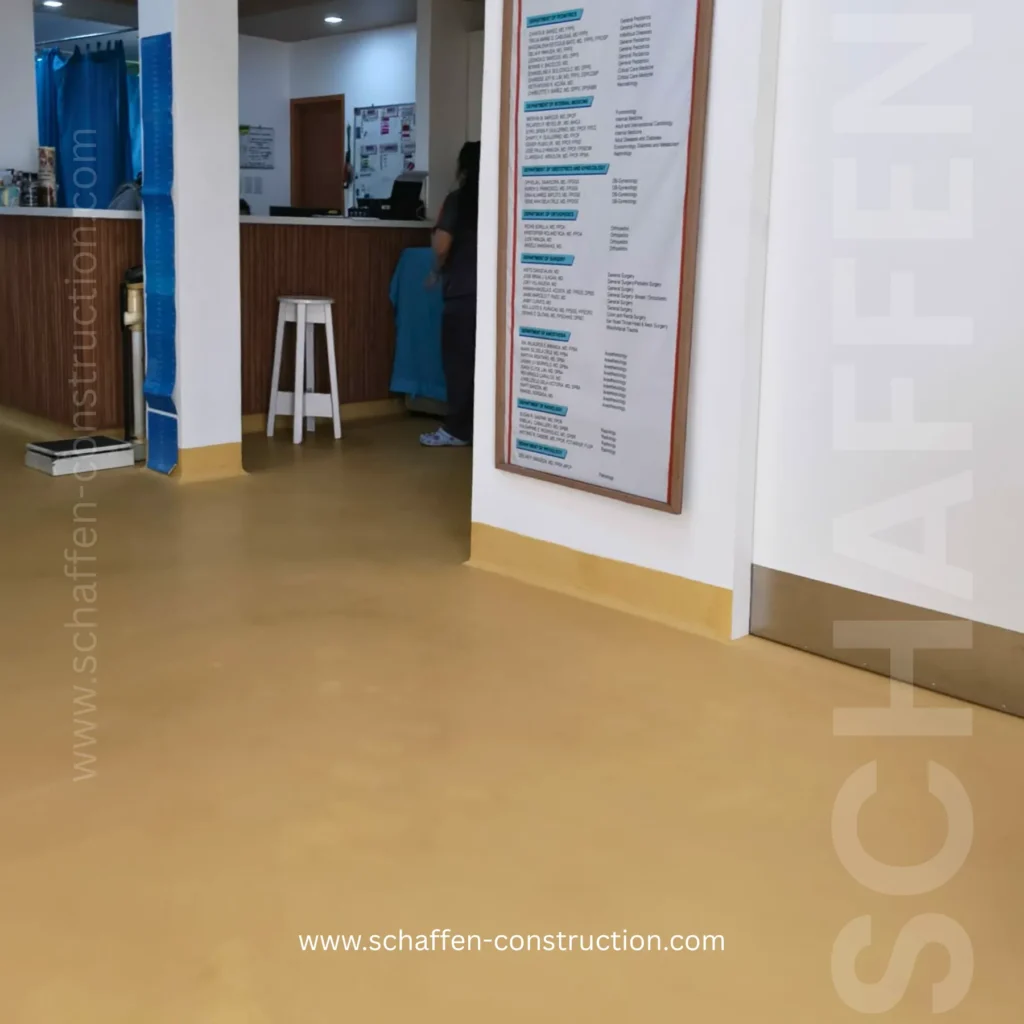
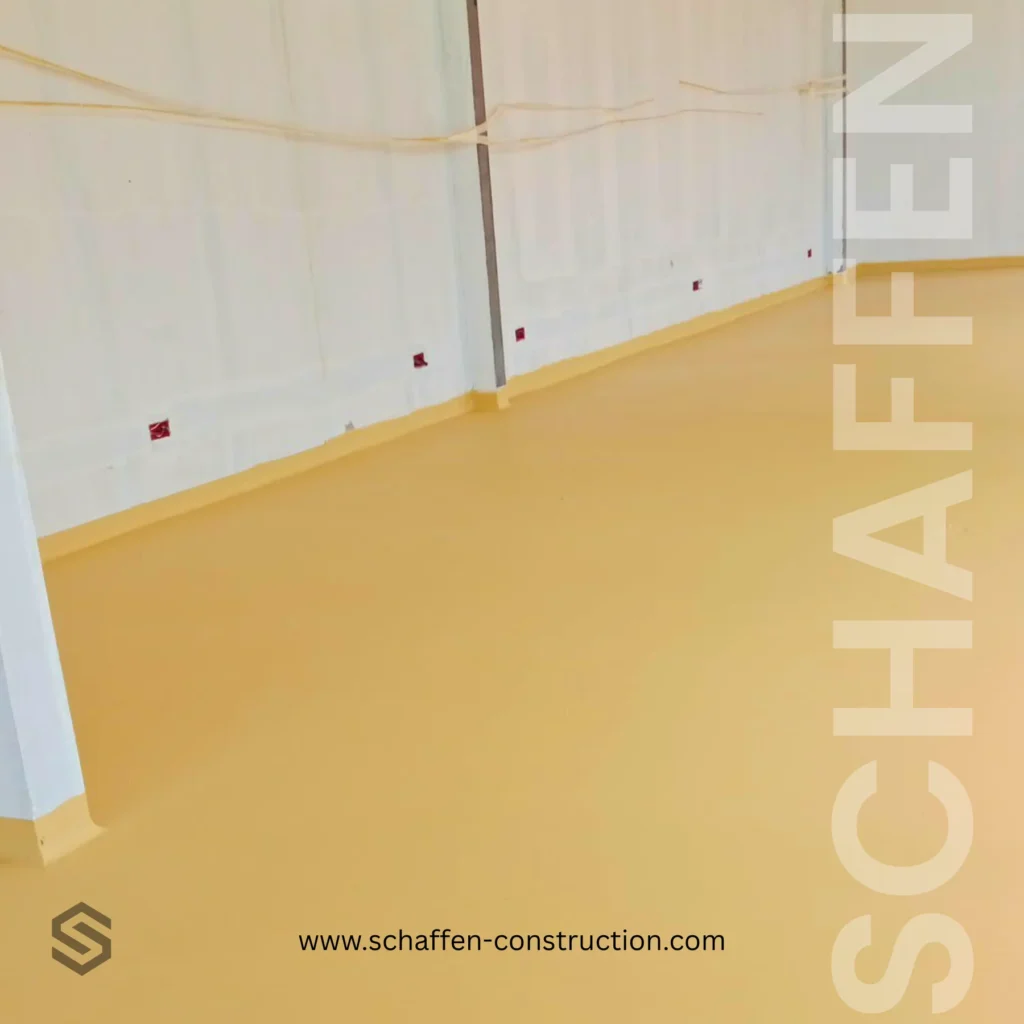
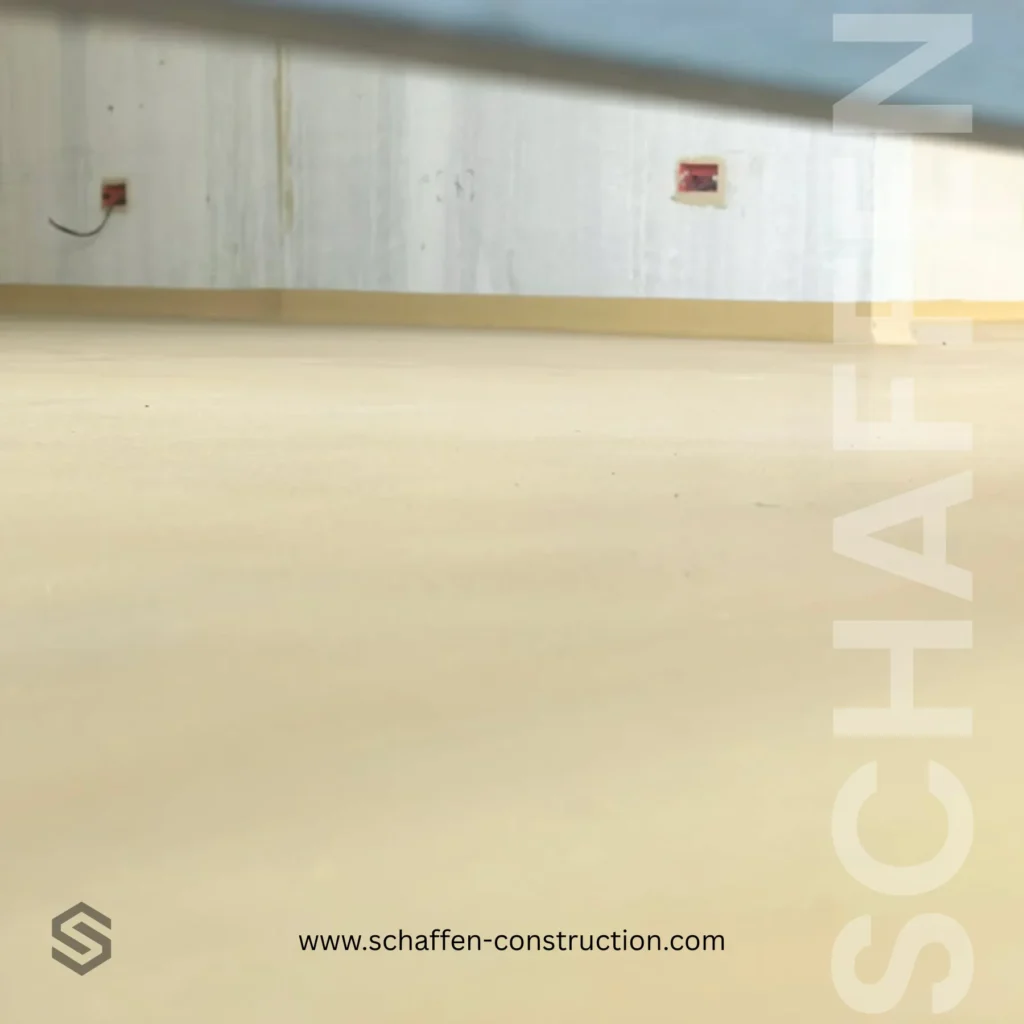
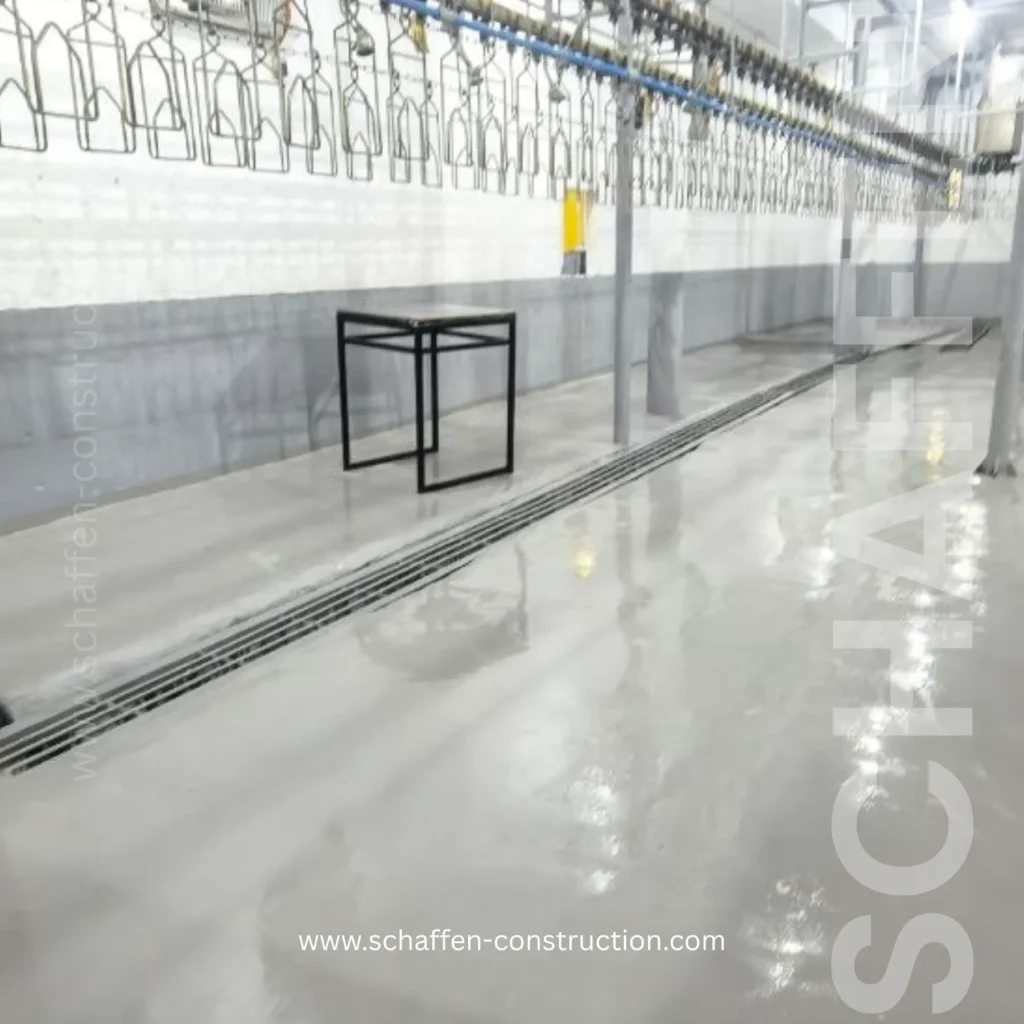
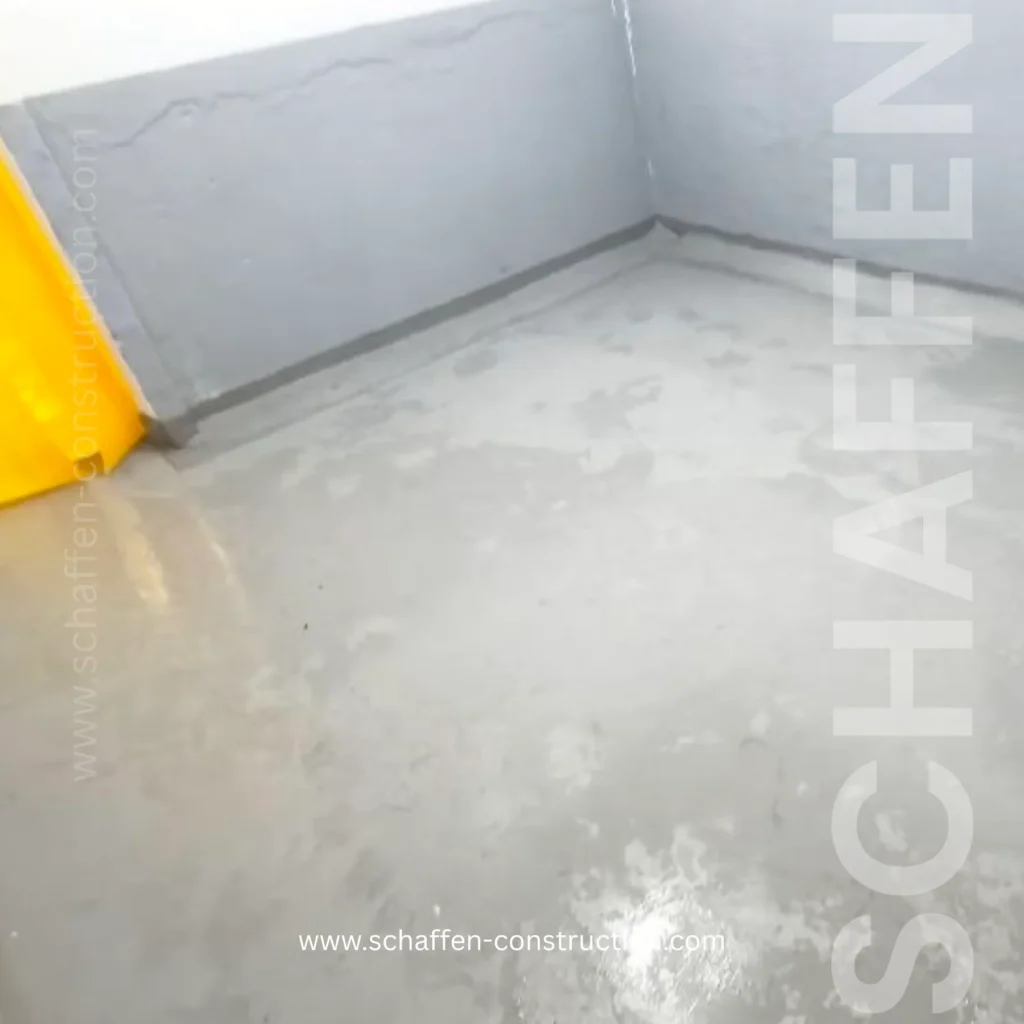
Want to see what PU Mortar looks like in an actual industrial setting? Below are images from one of our finished projects in Davao City. This medical facility already opened and is fully operational.
Updated 2026 Price of Polyurethane Mortar Installation in the Philippines
As of 2026, the basic price of installing PU Mortar flooring ranges from Php2,500 to Php2,800 per sqm. This cost covers only for the PU mortar itself.
The overall cost would also include key factors considered for laying down quality industrial flooring, such as mobilization and surface preparation. Surface preparation is crucial because the strength and durability of the PU mortar depends a lot on the underlying concrete slab.
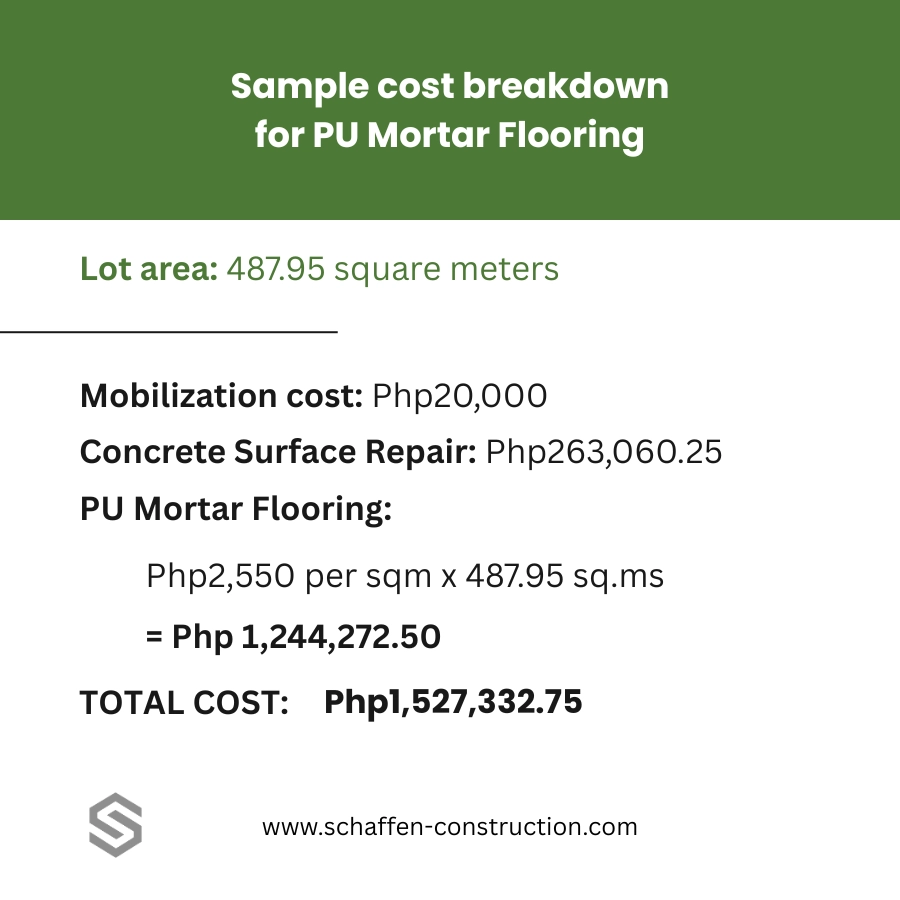
For a breakdown of how much you may spend on a Polyurethane mortar flooring, check this sample proposal we created for a local client who asked us to install PU mortar on their food processing plant in the Philippines:
Lot area: 487.95 sqms
Mobilization cost: Php 20,000
Concrete Surface Repair: Php 263,060.25
PU Mortar Flooring: Php 1,244,272.50 (calculated at Php 2,550.00 per sqm)
___________________
Total cost to cover a 487.95 sqms floor: Php1,527,332.75
PU Mortar flooring: Core Components
To understand why polyurethane mortar is so resilient, one must look at its chemistry. Unlike simple paint-like coatings or basic two-part epoxies, polyurethane mortar is typically a three- or four-component system that undergoes a complex cross-linking reaction during installation:
- Component A (Polyol Resin): A liquid polymer base that provides flexibility, toughness, and chemical resistance.
- Component B (Isocyanate Hardener): The liquid catalyst that reacts chemically with the polyol resin to form a dense, cross-linked polyurethane matrix.
- Component C (Engineered Aggregate Blend): A dry mix consisting of Portland cement, graded silica sand, and alkaline aggregates. This component gives the system its compressive strength, thickness, and thermal properties matching concrete.
- Component D (Liquid Pigment Pack): Optional but frequently used to integrate UV-stable, uniform color throughout the entire thickness of the mortar matrix.
When combined together, the moisture within the aggregate mix triggers the hydration of the cement, while simultaneously, the polyol and isocyanate link to form a polyurethane polymer network.
This dual-cure mechanism creates a dense, interlocking matrix that bonds monolithically to the underlying concrete substrate, becoming an inseparable part of the floor structure rather than a superficial top layer.
Polyurethane Mortar Flooring in the Philippines | Industrial Insights
The Pros of PU Mortar: Unmatched Advantages
Polyurethane mortar flooring systems offer a distinct set of physical properties that make them superior to conventional resinous options in industrial environments:
- Exceptional Thermal Shock Resistance: This is arguably its most critical attribute. Because it contains cementitious aggregates, polyurethane mortar has a coefficient of thermal expansion that closely mirrors that of the underlying concrete substrate. It can withstand radical, instantaneous temperature swings— such as daily high-pressure live-steam cleaning or proximity to blast freezers—without cracking, blistering, or delaminating.
- Superior Chemical Endurance: It provides an impenetrable barrier against organic and inorganic acids, alkalis, aggressive solvents, sanitizing chemicals, fats, oils, and blood. It is highly resistant to the caustic cleaning agents required in sanitization routines.
- Extreme Impact and Abrasion Resistance: Applied at thicknesses ranging from 3mm to over 9mm, these floors absorb intense kinetic impacts from dropped tools and heavy pallets, and easily withstand the punishing abrasive wear of steel-wheeled carts and heavy forklift traffic.
- Seamless Hygiene and Moisture Tolerance: Polyurethane mortars are non-porous and naturally inhibit microbial and bacterial growth. Furthermore, unlike epoxy—which requires a bone-dry substrate—polyurethane cement can be safely installed over green (wet) concrete, tolerating high moisture vapor transmission (MVT) rates without bubbling.
The Cons of PU Mortar: Limitations and Challenges
Despite its extraordinary performance, polyurethane mortar is not a universal panacea. Even in the Philippines, specifiers and installers must account for several distinct limitations. This includes:
- High Initial Material and Labor Costs: The advanced raw materials and meticulous installation processes make polyurethane mortar significantly more expensive upfront than standard epoxy coatings or polished concrete.
- Demanding, Fast-Curing Installation: The material has a remarkably short working pot life (often less than 15–20 minutes once mixed). It demands a highly skilled, coordinated installation crew. Mistakes made during mixing or troweling cure almost instantly and are incredibly difficult and costly to grind down and repair.
- Aesthetic Limitations: Polyurethane mortar is designed for utility, not high-end luxury aesthetics. It typically cures to a matte, somewhat industrial finish. While color pigments are added, it lacks the brilliant gloss, metallic depth, or intricate decorative chip options common to commercial epoxy systems. It can also yellow under direct UV exposure unless sealed with an aliphatic topcoat.
Professional Insight: Polyurethane mortar should be viewed as a structural investment. While the upfront costs are higher, its lifespan under harsh conditions often results in the lowest total lifecycle cost compared to cheaper coatings that require reapplication every few years.
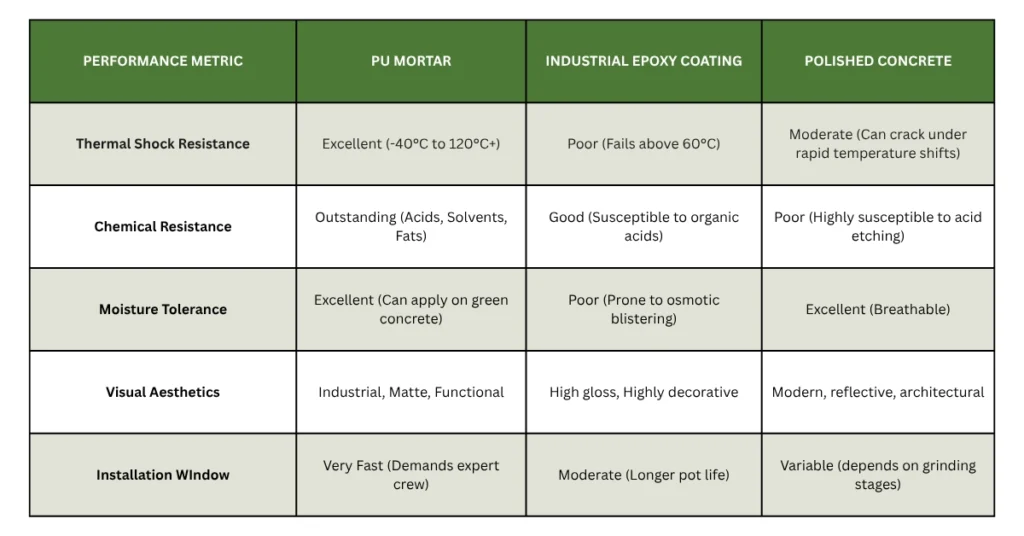
Comparative Analysis: Mortar vs. Epoxy vs. Polished Concrete
If you want to know if PU Mortar is right for your space, the table below contrasts polyurethane mortar with other widely utilized commercial and industrial flooring options, such as industrial epoxy coating and polished concrete:
Prime Applications: Where PU Mortar Excels
Because of its rugged, sterile, and thermal-resistant nature, polyurethane mortar flooring is heavily favored in specific commercial and industrial sectors:
Food and Beverage Processing Facilities
This sector represents the primary application for polyurethane cement. Meat, poultry, and seafood processing plants, alongside dairies and commercial bakeries, are brutal environments. They experience constant exposure to organic acids, animal fats, and blood, which rapidly corrode bare concrete and destroy epoxy.
Due to local regulations, these plants undergo rigorous sanitization involving live steam or near-boiling water washdowns immediately followed by cold water rinses.
Polyurethane mortar floors can handle these extreme thermal shocks flawlessly while meeting stringent food sanitary guidelines, such as the Philippine Food Safety Act of 2013 and the Presidential Decree No. 856 (Code on Sanitation).
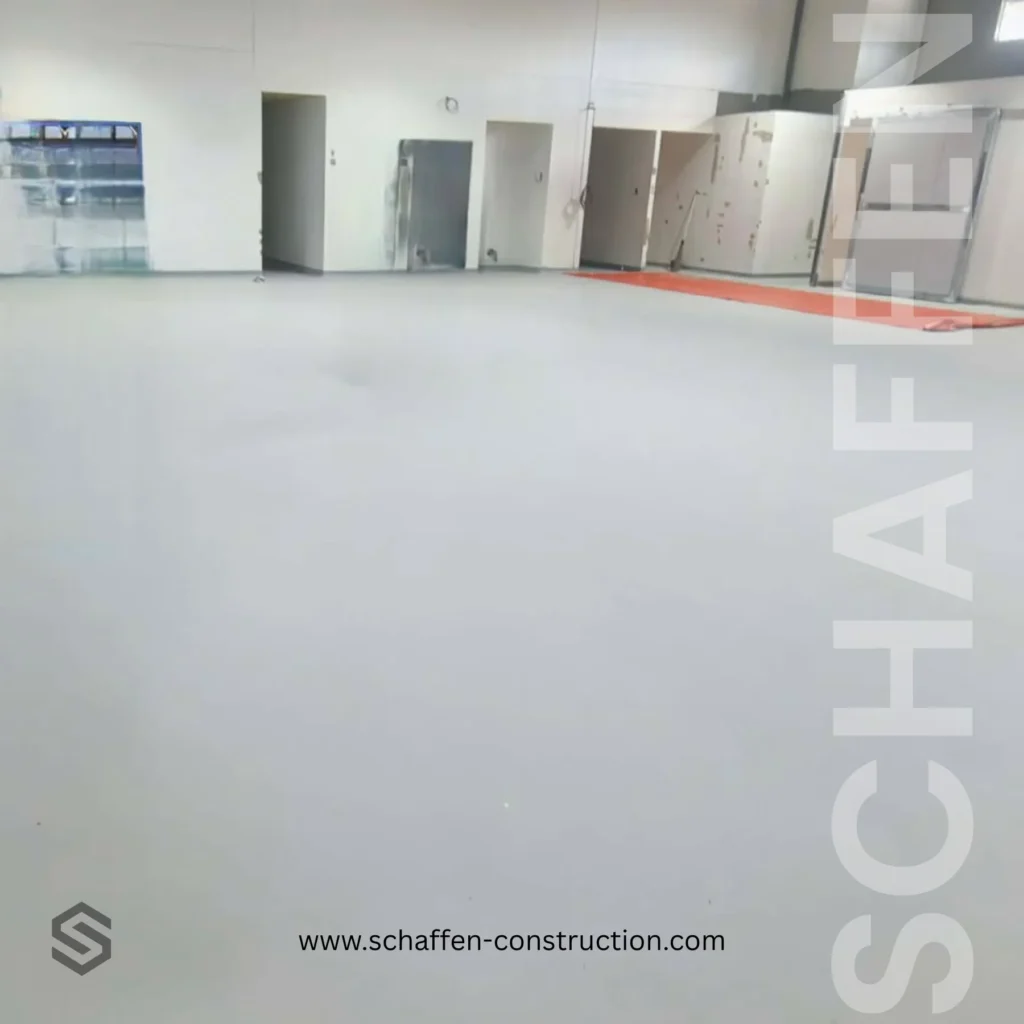
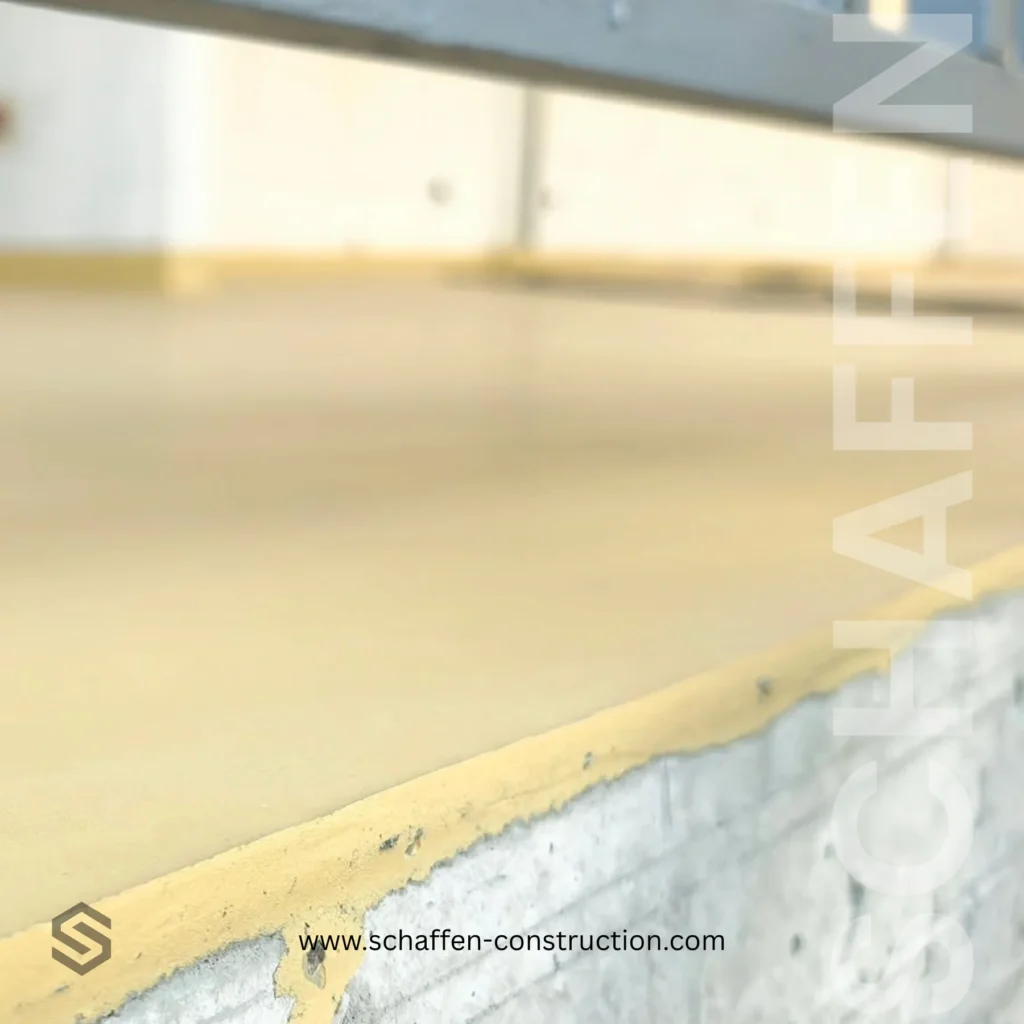
Chemical Processing Plants and Laboratories
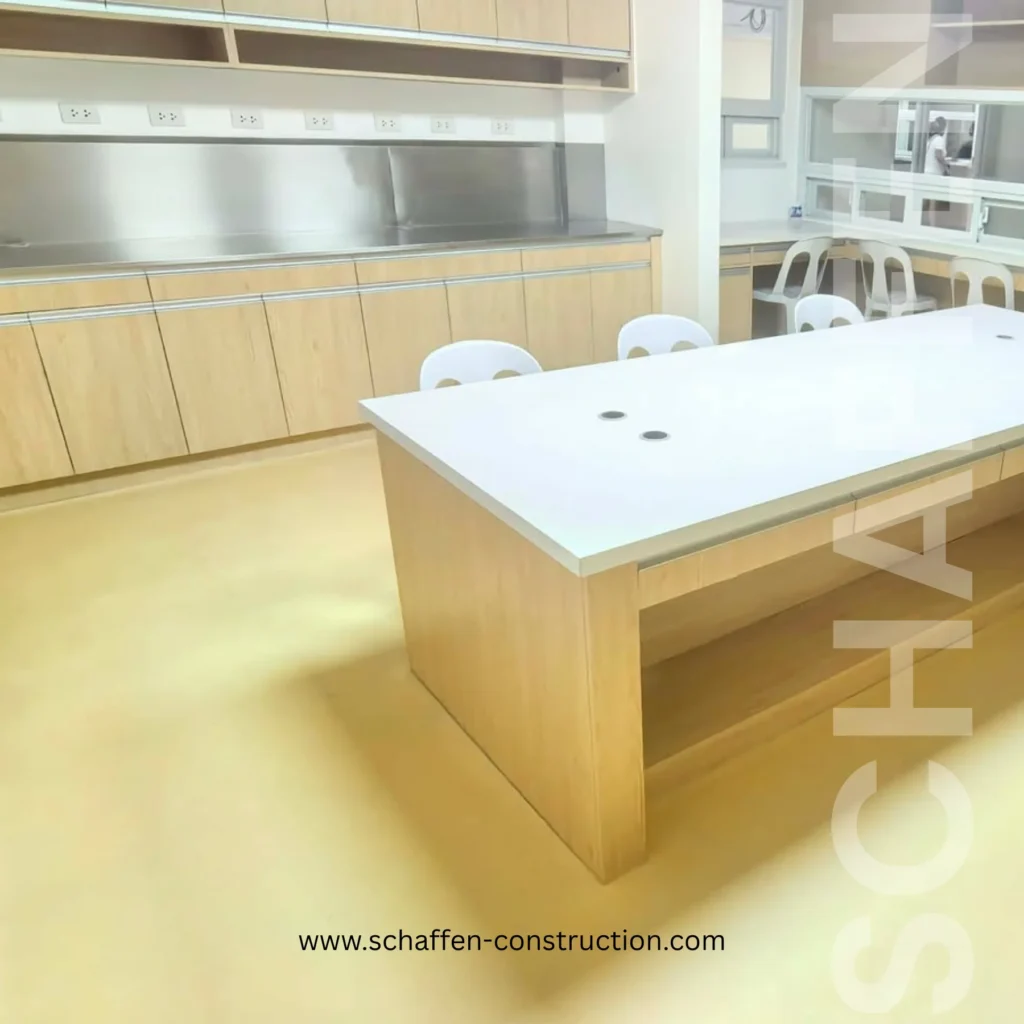
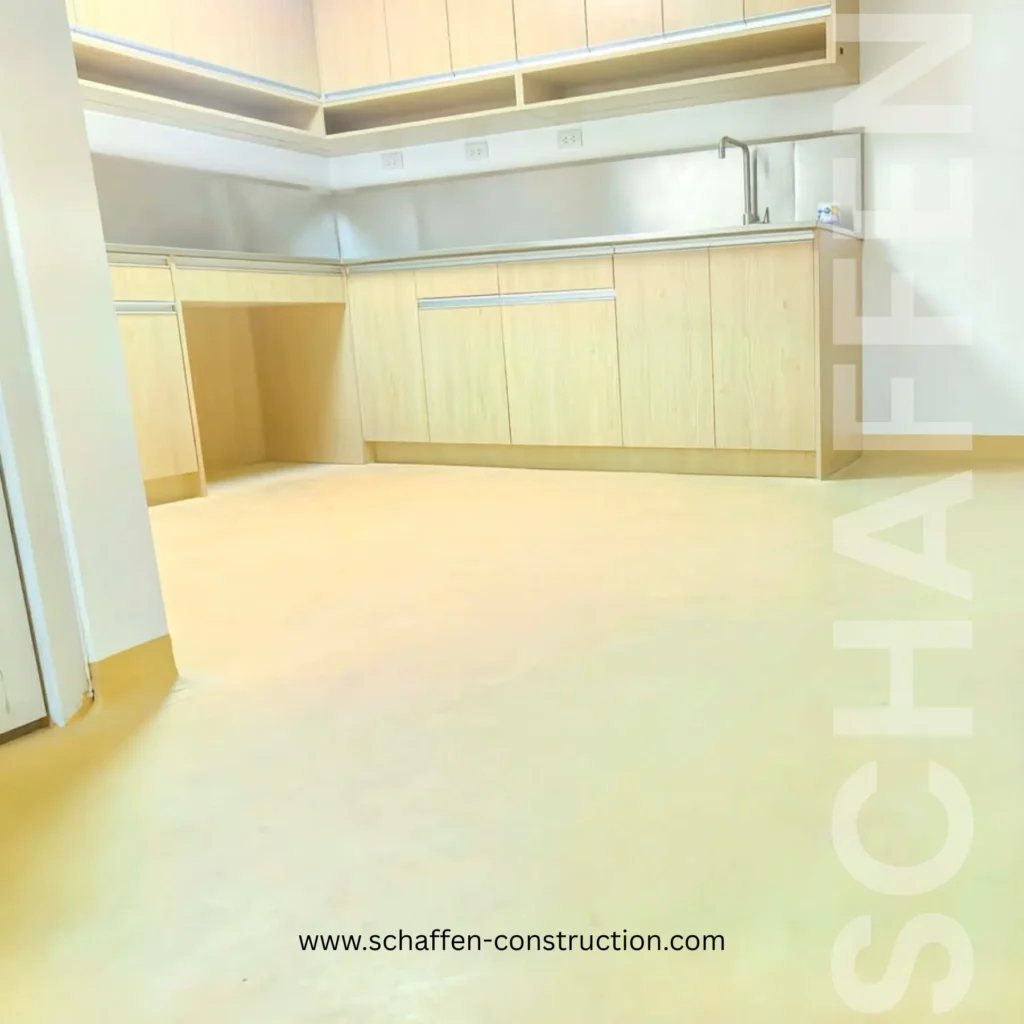
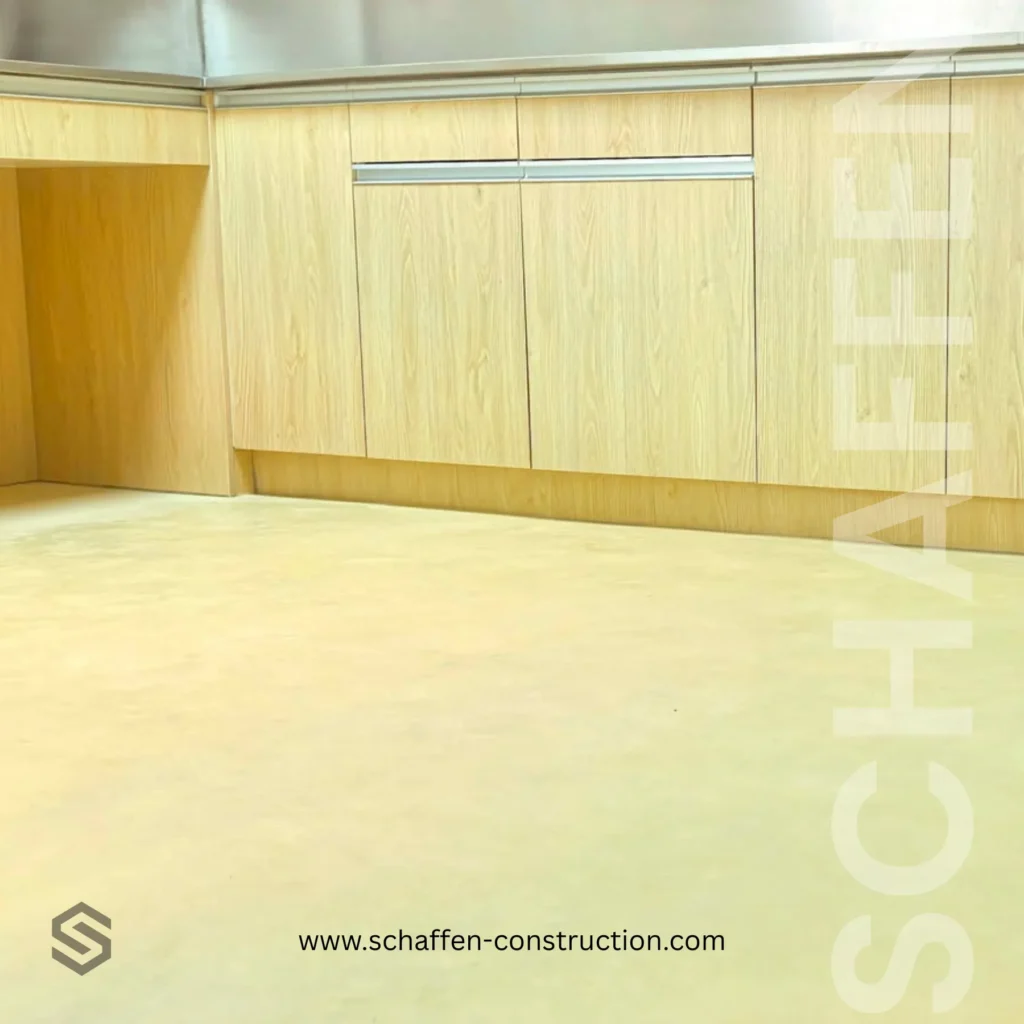
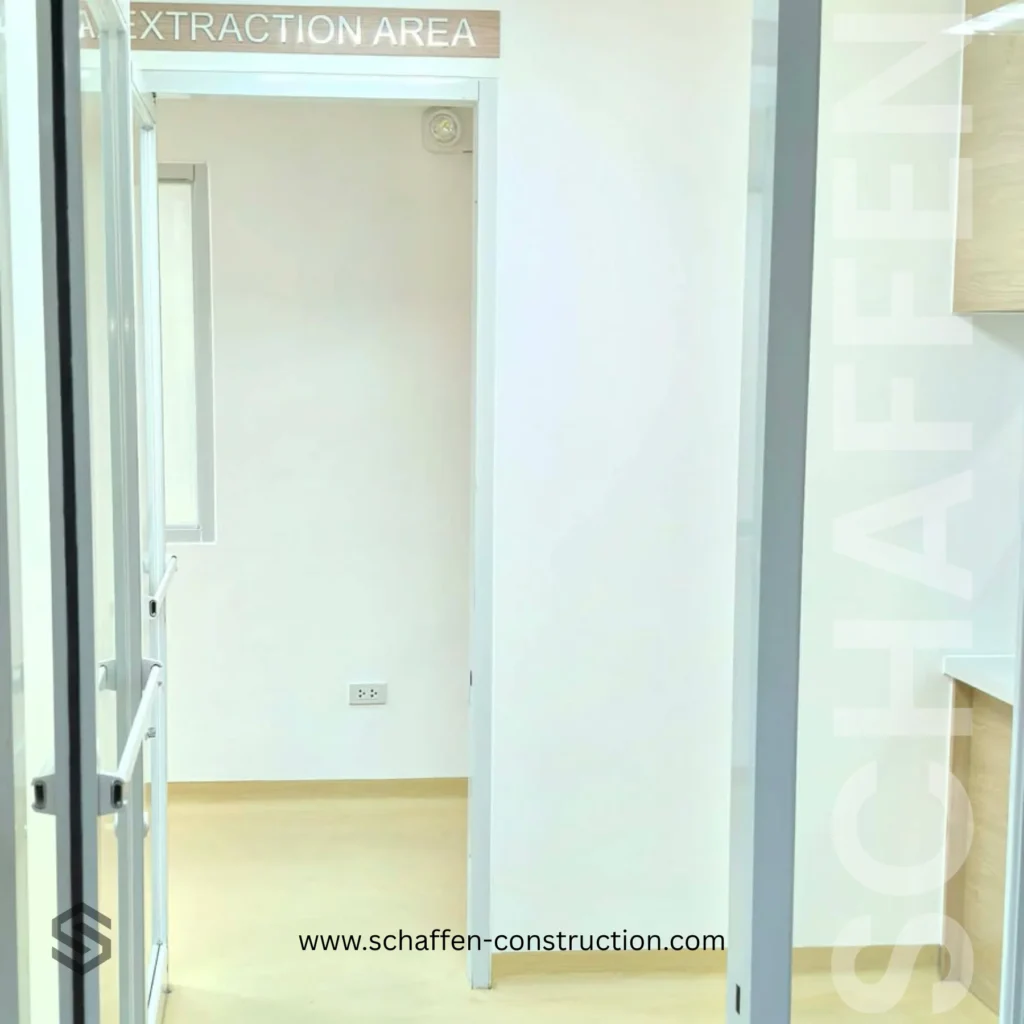
Facilities in the Philippines that manufacture, handle, or store aggressive chemicals require positive containment flooring. The Mediquest Laboratory in Toril, Davao City, for example, chose PU Mortar flooring for more durability in enduring chemicals and other fluids that drip on their floor during lab operations.
Polyurethane mortar protects the integrity of the underlying concrete slab from corrosive chemical drips, bulk spills, and secondary containment washdowns, preventing structural degradation and environmental contamination.
Cold Storage and Heavy Manufacturing
In massive blast freezers and cold storage hubs, temperatures remain permanently below freezing. Polyurethane mortar can be formulated to cure in low temperatures and will not become brittle or delaminate under deep-freeze conditions.
When paired with its ability to withstand the crushing wheel loads of heavy forklifts carrying multi-ton pallets, PU Mortar stands out as the premier selection for these highly demanding logistics hubs.
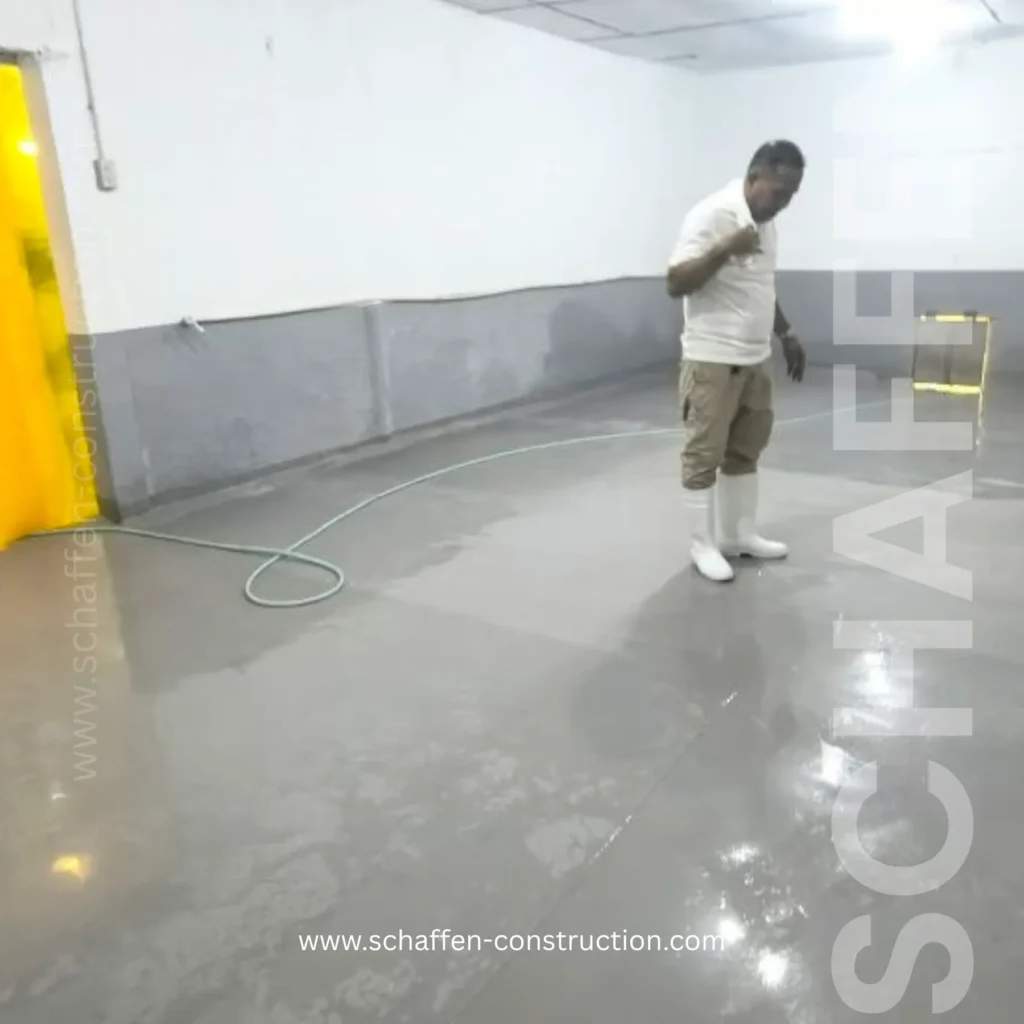
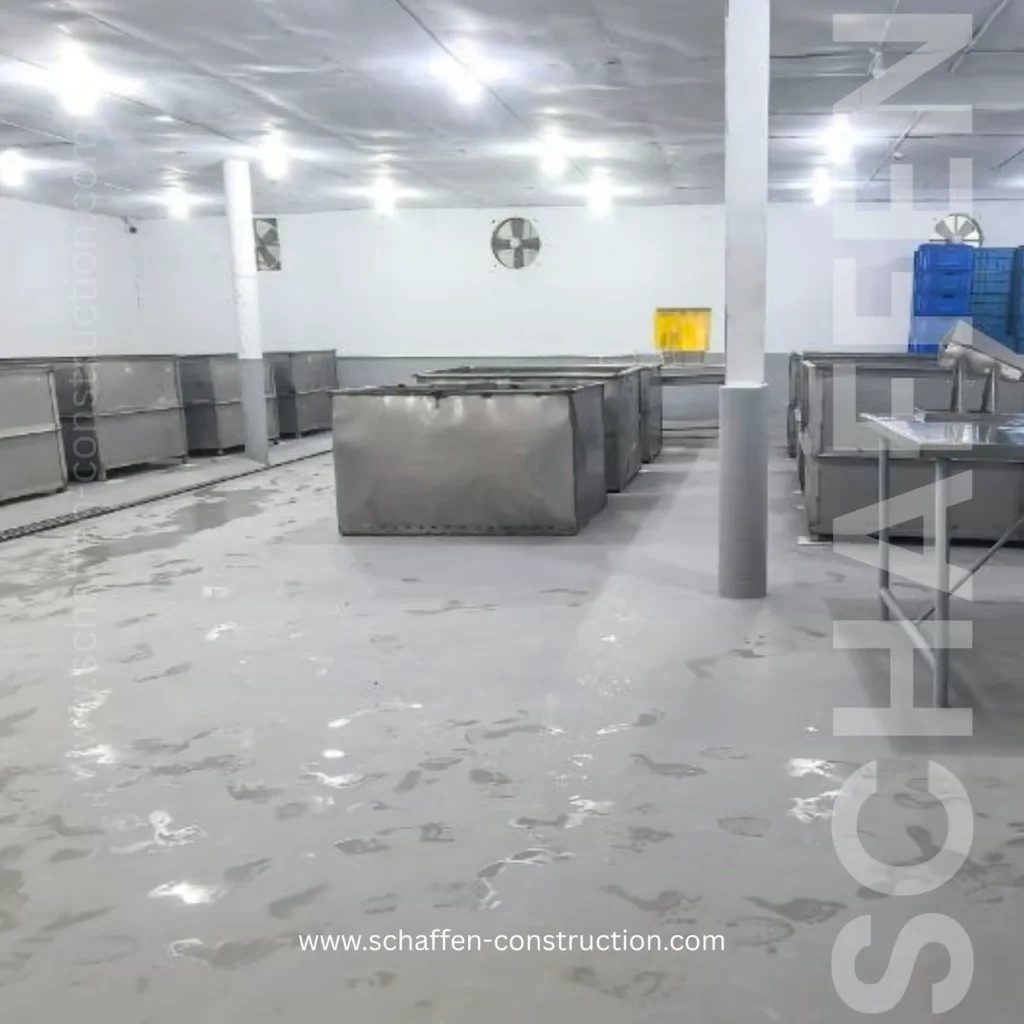
Polyurethane Mortar is the standard of industrial flooring
Polyurethane mortar flooring represents a pinnacle of industrial flooring engineering in the Philippines. At Schaffen Construction, we provide customized industrial flooring solutions in the Philippines.
By successfully uniting the rigid toughness of aggregate concrete with the resilient chemical matrix of polyurethane, it delivers a flooring system capable of enduring extreme thermal, chemical, and mechanical stresses.
For facilities in the Philippines where down-time is unacceptable, hygiene is non-negotiable, and environmental conditions are severe, investing in a polyurethane mortar system ensures a durable, compliant, and high-performing architectural foundation.
Contact Schaffen Corporation for your Polyurethane mortar flooring needs in the Philippines.
Do you need PU Mortar Flooring?
Schaffen Construction Corp., has extensive experience with installing PU Mortar flooring in the Philippines. Let's discuss your project.
CALL NOW